We've officially launched the Gastronomic Crossroads project – an Erasmus+
initiative connecting Romania, Spain, and Turkey in a shared mission to bring sustainable culinary heritage back into the spotlight through vocational training.
FORGOTTEN GREEN COOKING KNOWLEDGE FROM CROSSROADS IN MIDDLE AGES
Learn from our common gastronomic history
Our Story
Welcome Everyone
We’re looking to the past to shape the future. Drawing on traditional techniques – from seasonal cooking and natural preservation to nose-to-tail practices – we’re building a modern curriculum for future chefs and trainers.
A Living Crossroads of Culinary Traditions
Blending Ottoman, Al-Andalus, and Carpathian influences into a rich tapestry of flavors
A Return to Local and Seasonal Sourcing
Embracing sustainable practices with locally sourced, seasonal ingredients.
Culinary Heritage as a Model for Sustainability
Traditional techniques meet modern education for future chefs and trainers.
Enjoy Our Classes
The Forgotten Middle Ages Gastronomic Tale
In the heart of what is now Romania, where the lands of Wallachia, Moldavia, and Transylvania once stretched across mountains and rivers, a culinary crossroads emerged. The roads that wound through these regions carried more than just merchants and soldiers—they carried flavors, stories, and traditions.
Traders brought spices from the Ottoman Empire, their carts heavy with cinnamon, cumin, and the deep reds of sumac. From Al-Andalus, travelers introduced almonds, saffron, and the secrets of slow-cooked meats glazed with honey.
The Gastronomic Crossroads project brings together leading institutions from Romania, Spain, and Turkey, united by a shared mission to revive sustainable culinary heritage.
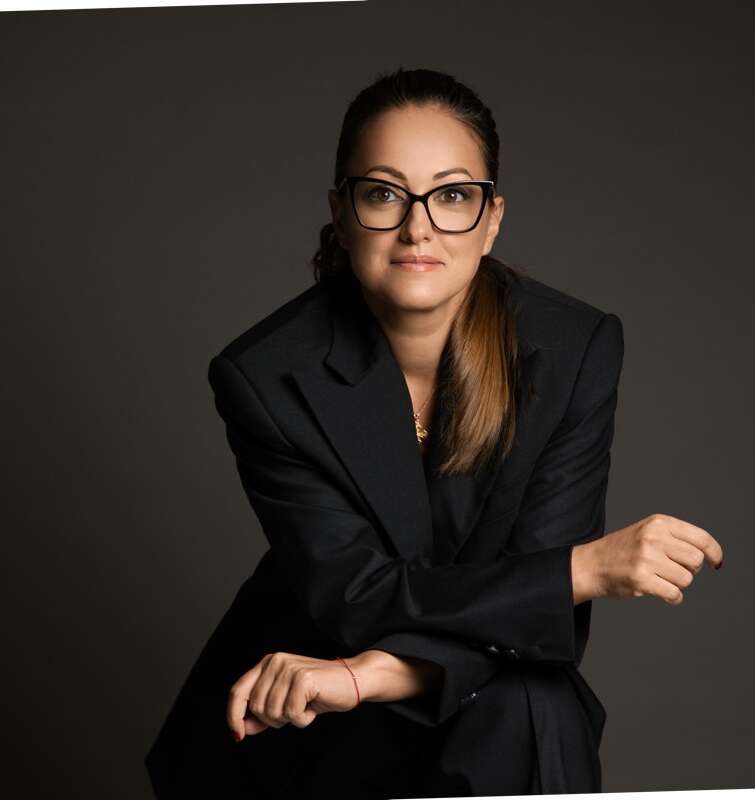
Leading communication strategies and dissemination efforts for the Gastronomic
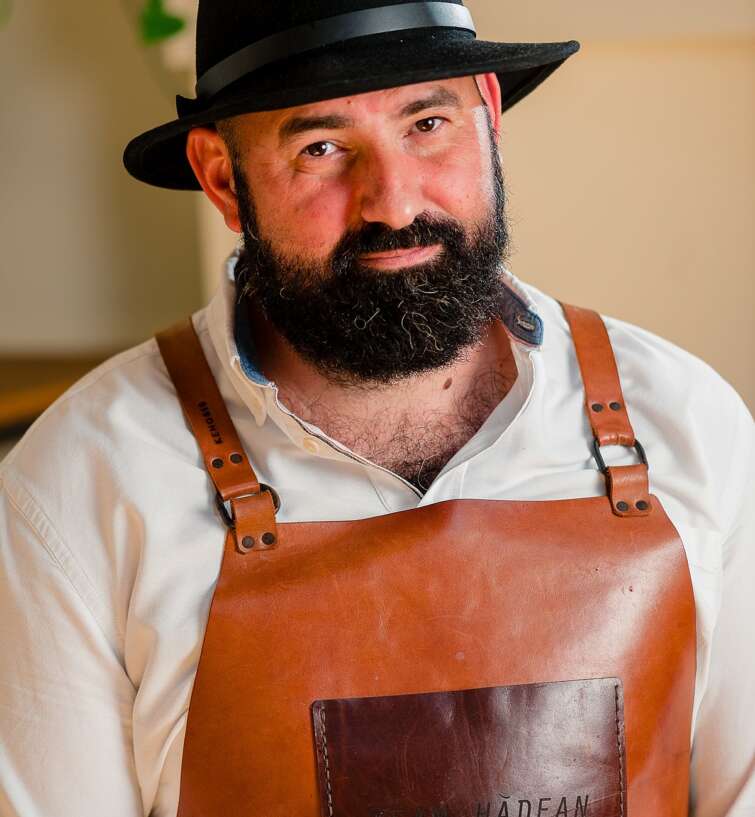
Adrian Hădean
Culinary Expert
Romania
Renowned Romanian chef bringing expertise in traditional cooking techniques
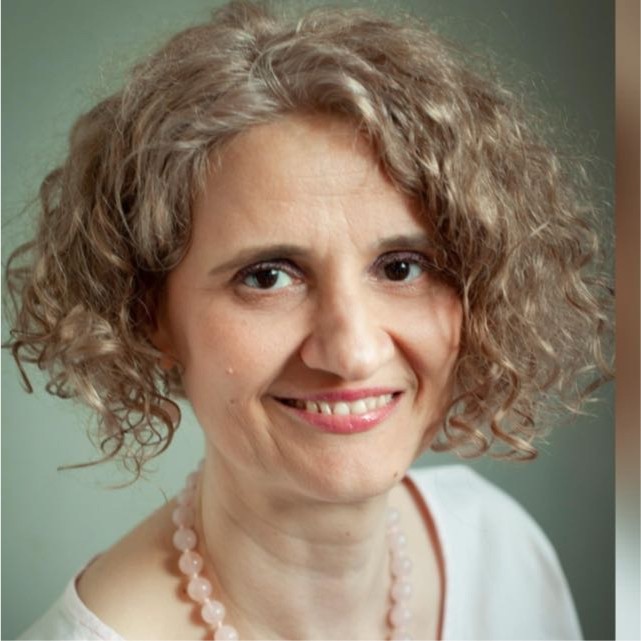
Grațiela BAHACIU
Steering Committee
USAMV Bucharest
Prof. Dr. Habil. teaching at USAMV Bucharest, managing projects in food science
Eduardo Iglesias Jimenez
Steering Committee
Universidad Pontificia de Comillas
PhD Researcher, Consultant and Professor accredited at ICAI-COMILLAS. Anthropologist and
Kerem İlaslan
Steering Committee
Bahçeşehir University
Leading the Turkish partnership in bringing international culinary education perspectives
Cooking Tips & Recipes
Food Blog & News
Stay updated with the latest news, workshops, and culinary exchanges from our Gastronomic Crossroads project.
No posts found!
What Our Trainees Say
Testimonials
“The expansion of agriculture, commerce, trade and transportation between civilizations in different regions offered cooks many new ingredients. New inventions and technologies, such as the invention of pottery for holding and boiling water, expanded cooking techniques.”
Pamela Davis
Accountant
“Culinarians are required to have knowledge of food science, nutrition and diet and are responsible for preparing meals that are as pleasing to the eye as well as to the palate. After restaurants, their primary places of work include delicatessens and relatively large institutions.”
Carrie Palmer
Accountant
“Home-cooking may be associated with comfort food, and some commercially produced foods are presented through advertising or packaging as having been home-cooked, regardless of their actual origin. Commercial cooking methods have evolved significantly.”
Melissa Hart
Accountant
Get In Touch
Contact Us
Is there any question you would like to ask us? We’d love to hear from you about the Gastronomic Crossroads project.
Mail Us
info@blackseafoodignityassociation.ro
Project Code
2024-1-RO01-KA220-VET-000249708
Send us a Message
Enquire Now
Enter your details below and you will receive a prompt response by phone in work hours.